

Strength training is one of the most useful ways for older adults to maintain muscle strength, support everyday mobility, and remain independent as they age. The good news is that strength training for seniors doesn’t have to involve heavy weights or an expensive gym membership. Many effective exercises can be performed at home using body weight, a sturdy chair, light dumbbells, or resistance bands.
In this guide, we’ll explore practical strength exercises for seniors, explain how to get started safely, and compare equipment options for home and gym workouts. Whether you’re new to exercise or looking to build on an established routine, the goal is to find an approach that matches your current abilities and can progress gradually as your strength improves.
Start with manageable resistance, focus on controlled movements, and allow time for recovery between workouts. If you have significant health concerns, persistent pain, or uncertainty about which exercises are appropriate for you, consult a qualified healthcare professional before beginning a new strength-training program.
- Boost Independence: Strength training makes everyday tasks like climbing stairs and lifting objects easier, helping you maintain autonomy.
- Strengthen Bones: Resistance exercises increase bone density, significantly reducing the risk of osteoporosis and fractures.
- Improve Balance: A stronger lower body and core are crucial for stability, which helps prevent falls, a leading cause of injury in seniors.
- Manage Chronic Conditions: Regular strength work can alleviate symptoms of arthritis, improve insulin sensitivity in type 2 diabetes, and support heart health.
- Enhance Mental Health: Exercise releases mood-boosting endorphins and has been shown to improve cognitive function and memory.
- Start Safely: Always consult a doctor before beginning, start with light weights or bodyweight, and prioritize proper form over heavy lifting.
- Stay Consistent: Aim for 2-3 sessions per week, allowing for rest days, to build and maintain strength effectively over the long term.
Table of Contents
Why Strength Training is a Game-Changer for Older Adults
Embracing strength training later in life is one of the most effective strategies for healthy aging. The benefits extend far beyond simply building muscle; they touch nearly every aspect of your physical and mental well-being, empowering you to live a more active and fulfilling life. From enhancing your functional strength for daily tasks to fortifying your body against age-related conditions, the advantages are too significant to ignore.

Enhances Physical Independence
One of the most immediate and impactful benefits of resistance training for older adults is the profound improvement in functional strength. As muscles get stronger, daily activities that may have become challenging feel easier and safer. Lifting a bag of groceries, carrying laundry up the stairs, pushing a lawnmower, or getting out of a low chair all require muscular strength. By building this strength, you are directly investing in your autonomy and ensuring you can continue to live independently and confidently in your own home.
Boosts Bone Density and Reduces Osteoporosis Risk
After menopause, women in particular face an increased risk of osteoporosis, a condition where bones become weak and brittle. Strength training is a powerful countermeasure. The mechanical stress that weight-bearing exercises place on your bones signals the body to build more bone tissue, increasing density and resilience. This process, known as bone remodeling, makes your skeleton stronger and significantly reduces the risk of fractures from a fall or minor bump. Regular weight lifting for the elderly is a direct investment in skeletal health.
Improves Balance and Reduces Fall Risk
Falls are a major threat to the health and independence of older adults. The Centers for Disease Control and Prevention (CDC) reports that more than one in four older adults falls each year, and falls are the leading cause of fatal and non-fatal injuries for this age group. Strength training directly combats this risk by strengthening the muscles in the legs, hips, and core that are essential for stability and coordination. Stronger muscles can react more quickly to a stumble, helping you catch your balance and prevent a fall before it happens. Exercises that target these key areas are a cornerstone of any effective senior strength training program.
Manages Chronic Conditions
Strength training is a potent tool for managing and mitigating the symptoms of many chronic conditions common in older adults. For those with arthritis, strengthening the muscles around affected joints can reduce pain and stiffness by providing better support. For individuals with type 2 diabetes, building more muscle mass improves insulin sensitivity and helps control blood sugar levels. Furthermore, resistance training enhances cardiovascular health by improving blood pressure and cholesterol levels, supporting a healthier heart.
Elevates Mood and Cognitive Function
The benefits of exercise on mental health are well-documented. Strength training triggers the release of endorphins, natural mood-lifters that can help reduce symptoms of anxiety and depression. Beyond mood, studies have shown a strong link between regular physical activity and improved cognitive function in older adults. Engaging in resistance training can help enhance memory, improve focus, and may even delay the onset of age-related cognitive decline, keeping your mind as sharp as your body.
Increases Metabolism and Supports Healthy Weight
As we age, our metabolism naturally begins to slow down, and we tend to lose muscle mass in a process called sarcopenia. This combination often leads to unwanted weight gain. Strength training is the perfect antidote. Muscle tissue is more metabolically active than fat tissue, meaning it burns more calories even when you’re at rest. By building and maintaining muscle through strength training, you effectively boost your resting metabolism, making it easier to manage a healthy weight.
Enhances Sleep Quality
If you struggle with getting a good night’s rest, strength training can help. The physical exertion from a workout can lead to deeper, more restorative sleep cycles. Better sleep has a cascading effect on your overall health, contributing to higher energy levels during the day, improved mood, and better cognitive function. The connection between regular exercise and improved sleep quality is a powerful motivator for making strength training a consistent part of your routine.
Getting Started: Safe Strength Building for Seniors
The key to successful strength building for seniors is to begin safely and intelligently. The goal is to build your body up, not to risk injury. By taking a measured and mindful approach, you can create a solid foundation for a long and rewarding fitness journey. Before you lift a single weight, it’s essential to follow a few fundamental guidelines to ensure your safety and set yourself up for success.
Consult Your Doctor First
This is the most critical first step. Before starting any new exercise program, schedule a full medical check-up with your healthcare provider. Discuss your intention to begin strength training and be open about any pre-existing conditions, such as heart disease, arthritis, or high blood pressure. Your doctor can provide medical clearance and offer personalized advice based on your health status, medications, and any physical limitations you may have. This conversation is non-negotiable and ensures your workout plan is both safe and appropriate for you.
Start Slow and Listen to Your Body
When you’re new to strength training, enthusiasm can sometimes lead to overexertion. It’s vital to start slowly. Begin with bodyweight exercises or very light weights to allow your muscles, joints, and connective tissues to adapt. Pay close attention to how your body feels. It’s normal to experience some mild muscle soreness a day or two after a workout (this is called delayed onset muscle soreness, or DOMS). However, you should never feel sharp, stabbing, or persistent pain. Learn to differentiate between the discomfort of a challenging workout and the warning signs of a potential injury. If something hurts, stop immediately.
Focus on Proper Form Over Heavy Weight
Correct technique is far more important than the amount of weight you lift. Poor form not only reduces the effectiveness of an exercise but also dramatically increases your risk of injury. In the beginning, your primary goal should be to master the correct movement pattern for each exercise. Consider watching instructional videos from reputable sources or, if possible, working with a certified personal trainer for a few sessions. A trainer specializing in senior fitness can provide invaluable guidance on proper form and help you build a safe foundation.
Warm-Up and Cool-Down Routines
Never skip your warm-up or cool-down. A proper warm-up prepares your body for exercise by increasing blood flow to the muscles and lubricating your joints. Spend 5-10 minutes on dynamic movements like arm circles, leg swings, torso twists, and marching in place. After your workout, a cool-down helps your body gradually return to a resting state and improves flexibility. Dedicate 5-10 minutes to static stretches, holding each stretch for 20-30 seconds without bouncing. Focus on the major muscle groups you just worked.
Hydration and Nutrition
Proper fuel and hydration are essential for a successful strength training program. Be sure to drink plenty of water before, during, and after your workouts to stay hydrated. Nutrition also plays a crucial role in muscle repair and growth. Ensure you’re eating a balanced diet rich in nutrients. In particular, consuming an adequate amount of protein is vital for rebuilding muscle tissue after a workout. Foods like lean meats, fish, eggs, dairy, beans, and legumes are excellent sources.
Crafting Your Optimal Resistance Training Program for Older Adults
Once you have medical clearance and understand the basic safety principles, it’s time to structure your resistance training program for older adults. A well-designed plan provides consistency, ensures you’re working all major muscle groups, and includes a clear path for progression. The goal is to create a sustainable routine that challenges you just enough to stimulate growth without causing burnout or injury.
Frequency and Duration
For most seniors, a great starting point is to aim for 2 to 3 strength training sessions per week. It’s crucial to schedule at least one full rest day between sessions to allow your muscles time to recover and rebuild. Each workout should last between 30 and 60 minutes, which includes your warm-up and cool-down. This frequency is effective for building strength and muscle mass without overtaxing your body.
Selecting Exercises: Compound vs. Isolation
A balanced senior workout routine should prioritize compound movements. These are exercises that work multiple muscle groups across several joints simultaneously, such as squats, lunges, and presses. Compound exercises are highly efficient and build functional strength that translates directly to everyday activities. You can supplement these with a few isolation exercises, like bicep curls or tricep extensions, which target a single muscle group. This combination ensures comprehensive, full-body strength.
Sets and Repetitions
A good general guideline is to perform 1 to 3 sets of 8 to 15 repetitions for each exercise. The movement should always be slow and controlled. To select the right weight, choose one that allows you to complete all your repetitions with good form, but feels challenging by the last two or three reps. If you can easily complete 15 reps, the weight is too light. If you can’t complete 8 reps with proper form, it’s too heavy.
Progressive Overload: The Key to Continued Gains
To continue getting stronger, you must consistently challenge your muscles. This principle is called progressive overload. It means gradually increasing the demand placed on your musculoskeletal system over time. There are several ways to apply progressive overload: you can increase the weight you’re lifting, perform more repetitions or sets, decrease your rest time between sets, or move on to a more challenging variation of an exercise. The key is to make small, incremental changes every few weeks to ensure you keep making progress.
Rest and Recovery
Muscle growth doesn’t happen during your workout; it happens during periods of rest. This is when your body repairs the microscopic tears in your muscle fibers, making them stronger than before. Adequate rest days are a non-negotiable part of any effective program design. Aim for 7-9 hours of quality sleep per night, as this is when most of your muscle repair occurs. Active recovery, such as a light walk or gentle stretching on your off days, can also help reduce soreness and improve circulation.
Sample Weekly Program Structure
A full-body workout performed 2-3 times per week is an excellent and efficient approach for seniors. This ensures all major muscle groups are stimulated regularly. Here is a basic template:
- Day 1: Full Body Workout (e.g., Monday)
- Day 2: Rest or Active Recovery (e.g., Tuesday)
- Day 3: Full Body Workout (e.g., Wednesday)
- Day 4: Rest or Active Recovery (e.g., Thursday)
- Day 5: Full Body Workout (Optional) (e.g., Friday)
- Day 6 & 7: Rest or Active Recovery
Each full-body workout should include exercises for the lower body (like chair squats), upper body pushing movements (like wall push-ups), upper body pulling movements (like band rows), and core exercises.
Effective Weight Lifting and Resistance Exercises for the Elderly
The best exercises for seniors are those that build functional strength, improve balance, and can be modified to match any fitness level. Whether you’re using your own bodyweight, resistance bands, or light dumbbells, the focus should always be on safe, controlled movements. Here are some of the most effective senior resistance exercises to include in your routine.
Bodyweight Exercises: The Foundation of Strength
Bodyweight exercises are the perfect starting point for any beginner. They require no equipment, can be done anywhere, and are incredibly effective for building a solid foundation of strength. They teach you to control your own body, which is a crucial skill for injury prevention and functional fitness.
Beginner Strength Exercises for Older Adults (Bodyweight)
- Chair Squats: This is one of the most important functional exercises. Stand in front of a sturdy chair with your feet shoulder-width apart. Slowly lower your hips back and down as if you’re about to sit, keeping your chest up and core engaged. Lightly touch the chair before standing back up. This movement strengthens your legs and glutes, making it easier to get up from any seated position.
- Wall Push-Ups: A safe way to build upper body strength, wall push-ups target the chest, shoulders, and triceps. Stand facing a wall, about arm’s length away. Place your hands on the wall slightly wider than your shoulders. Slowly bend your elbows and lean your body toward the wall, then press back to the starting position.
- Calf Raises: Essential for lower leg strength and balance, calf raises are simple yet effective. Stand with your feet flat on the floor, holding onto a sturdy chair or countertop for support. Slowly raise your heels off the ground, pushing onto your toes. Hold for a moment at the top, then slowly lower your heels back down.
- Glute Bridges: This exercise strengthens your glutes and lower back, which are vital for stability. Lie on your back with your knees bent, feet flat on the floor, and arms by your sides. Squeeze your glutes and lift your hips off the floor until your body forms a straight line from your shoulders to your knees. Hold briefly, then lower back down.
Resistance Band Exercises: Versatile and Low-Impact
Resistance bands are an excellent tool for home strength training for seniors. They are affordable, portable, and provide variable resistance that is gentle on the joints. They come in different tension levels, allowing you to easily progress as you get stronger.
Resistance Band Workouts for Older Adults
- Band Rows: This exercise is fantastic for strengthening the muscles in your upper back, which helps improve posture. Sit on the floor with your legs extended (or on a chair with one leg extended). Loop the band around the soles of your feet. Holding the ends of the band, pull it back towards your torso, squeezing your shoulder blades together.
- Band Side Leg Lifts: To improve hip stability and balance, loop a resistance band around your ankles. Standing tall and holding onto a support, slowly lift one leg out to the side against the band’s resistance. Keep the movement controlled and avoid leaning your torso.
- Band Chest Press: Anchor a resistance band around a sturdy object behind you at chest height (or simply wrap it around your upper back). Hold the ends of the band in each hand at your chest. Press your hands forward, extending your arms fully, then slowly return to the start.
Dumbbell and Light Weight Training
Once you’ve mastered bodyweight movements, progressing to light free weights is a great next step. Dumbbells challenge your muscles in a different way and require you to engage smaller stabilizer muscles to control the weight.
Weight Lifting After 60: Safe Dumbbell Exercises
- Bicep Curls: A classic exercise for strengthening the biceps in your upper arms. Stand or sit tall, holding a light dumbbell in each hand with your palms facing forward. Keeping your elbows tucked at your sides, curl the weights up towards your shoulders. Slowly lower them back down.
- Overhead Press (Seated or Standing with Light Weight): This exercise builds shoulder and tricep strength. Sit on a sturdy chair with back support or stand with your feet shoulder-width apart. Hold light dumbbells at shoulder height, palms facing forward. Press the weights straight up overhead until your arms are fully extended, then lower them back down with control.
- Goblet Squats (with light dumbbell): A variation of the squat that strengthens the legs and core. Hold one dumbbell vertically against your chest with both hands. Keeping your chest up, squat down as if sitting in a chair. Go as low as you comfortably can, then drive through your heels to stand back up.
- Bent-Over Rows (with light dumbbells): This movement targets the major muscles of your back. Stand with your feet shoulder-width apart, holding a dumbbell in each hand. Hinge forward at your hips, keeping your back straight, until your torso is nearly parallel to the floor. Let the dumbbells hang down. Pull the weights up towards your torso, squeezing your shoulder blades, then lower them back down.
Machine-Based Strength Training
For those who have access to a gym, strength machines can be a great option. They provide stability and guide your movement through a fixed path, which can make them feel safer for beginners or individuals with balance concerns. Machines like the leg press, chest press, and lat pulldown are excellent for targeting major muscle groups in a controlled environment.
Advancing Your Routine: Power Training and High-Intensity Resistance for Seniors
Once you have built a solid foundation of strength and are comfortable with basic resistance exercises, you may be ready to explore more advanced training methods. Power training and high-intensity resistance training (HIRT) can offer significant benefits for functional ability, but they must be approached with caution and proper preparation. These methods are not for beginners and should only be considered after several months of consistent strength training.
Understanding Power Training for Older Adults
While strength is the ability to exert force, power is the ability to exert force quickly. It’s the combination of strength and speed. For older adults, power is incredibly important for everyday life. It’s what allows you to react quickly to catch yourself from a fall, to stand up from a chair without using your hands, or to quickly lift an object out of the way. As we age, we tend to lose power even faster than we lose strength, making power training for seniors a crucial component of advanced fitness.
Safe Introduction to Power Exercises
The key to safely incorporating power training is to use lighter weights (or just bodyweight) and focus on moving with controlled speed. The goal is not to lift heavy, but to move intentionally and explosively. These exercises should only be performed after a thorough warm-up and when you feel fresh and energetic. Always prioritize perfect form over speed.
Examples of Power Training for Seniors
- Medicine Ball Slams (Light): Using a light, soft medicine ball (e.g., 4-6 lbs), stand with your feet shoulder-width apart. Lift the ball overhead, rising onto your toes slightly, and then forcefully slam it to the ground in front of you by hinging at your hips. This is a fantastic exercise for developing full-body power and coordination.
- Box Steps (Low Box): Find a very low, sturdy box or aerobic step (6-8 inches high). The goal is to quickly and deliberately step up onto the box with one foot and then immediately step back down. Alternate your lead foot. This movement improves lower body power, speed, and agility.
- Clap Push-Ups (Modified on Knees or Incline): This is an advanced exercise that develops upper body explosive power. Perform a push-up from your knees or against a sturdy, inclined surface like a bench. As you push up, do it with enough force that your hands briefly lift off the ground, allowing for a quick clap. Land softly and go into the next repetition.
High-Intensity Resistance Training (HIRT) for Older Adults
High-intensity resistance training, or HIRT, involves performing exercises with short bursts of maximum effort followed by brief recovery periods. Unlike traditional cardio-based interval training (HIIT), HIRT uses resistance exercises. This method is highly efficient, allowing you to improve cardiovascular fitness, muscle endurance, and strength in a shorter amount of time.
Implementing HIRT Safely
Because of its intensity, HIRT should be done sparingly, perhaps once a week, and only by individuals with a strong fitness base and clearance from their doctor. The focus is on maintaining good form even as you get tired.
- Circuit Training: This is a great way to structure a HIRT workout. Select 4-6 exercises that target different muscle groups (e.g., goblet squats, band rows, wall push-ups, glute bridges). Perform one set of each exercise back-to-back with minimal rest in between. After completing all the exercises in the circuit, rest for 2-3 minutes before repeating the entire circuit 1-2 more times.
- Interval Training with Resistance: Choose a single compound exercise, like chair squats or machine leg presses. Perform the exercise at a high intensity (but with perfect form) for a set period, e.g., 30-60 seconds. Then, rest for a longer period, e.g., 60-90 seconds, to allow for near-full recovery before the next interval. Repeat for 5-8 rounds.
Essential Equipment for Senior Strength Training at Home and Gym
Building strength doesn’t require a fancy gym membership or expensive machinery. You can create a highly effective senior strength training program with just a few key pieces of equipment, or even with no equipment at all. Whether you prefer to work out at home or in a gym, understanding your options will help you choose the right tools for your fitness journey.
Bodyweight: Your Most Accessible Tool
The most convenient and affordable piece of equipment you own is your own body. Bodyweight exercises are the foundation of strength and are perfect for home strength training for seniors. You can get a fantastic full-body workout without any additional gear by using sturdy household items for support, such as chairs for squats and walls for push-ups.
Resistance Bands: Versatility and Portability
Resistance bands are perhaps the most valuable investment for a home gym for seniors. They are lightweight, inexpensive, and incredibly versatile. They come in various forms, including long tube bands with handles and continuous loop bands (“mini-bands”). A starter set should include a few different resistance levels, such as light, medium, and heavy, allowing you to progress as you get stronger. Their portability makes them perfect for exercising at home or even taking with you when you travel.
Dumbbells: Adjustable and Effective
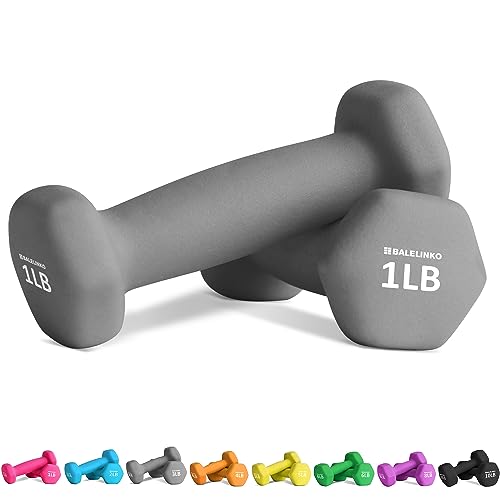
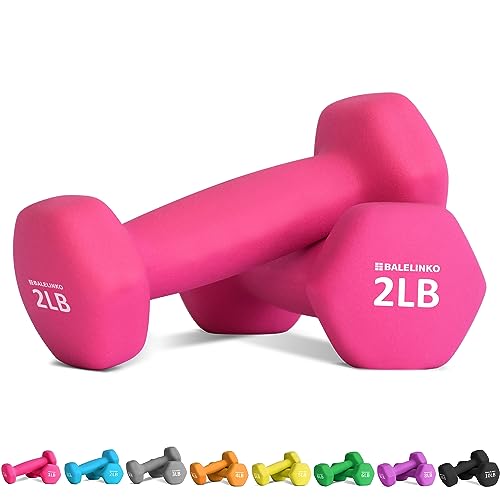
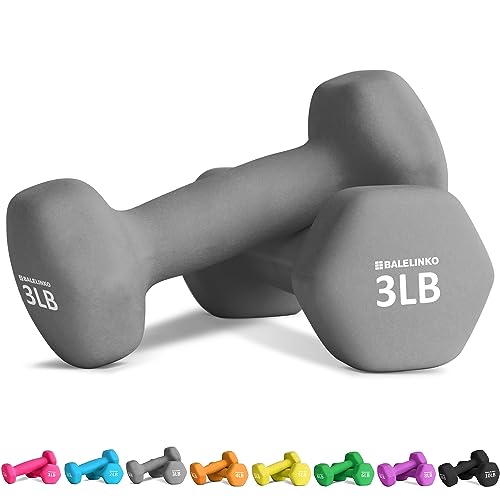
Free weights like dumbbells are a classic tool for building muscle. They force your body to engage stabilizer muscles, which is excellent for improving coordination and functional strength. When starting out, it’s best to begin with a set of light weights, for example, pairs of 1, 3, and 5-pound dumbbells. As you progress, you can gradually increase the weight. For those looking to save space, adjustable dumbbells are a great option, as they allow you to change the weight on a single handle.
Kettlebells (Light)
Once you have built a solid strength foundation, a light kettlebell can be introduced for more dynamic, full-body movements like swings and goblet squats. Kettlebell exercises are excellent for building power and cardiovascular endurance. It is crucial to start with a very light weight, such as 5-10 lbs, and receive proper instruction on form, as the movements are more complex than with dumbbells.
Ankle and Wrist Weights
Wearable weights can be a simple way to add a small amount of resistance to bodyweight exercises like leg lifts or even to your daily walks. However, it’s important to use them with caution. Start with the lightest weights available (1-2 lbs) and avoid using them for high-impact or fast-paced activities, as this can put undue strain on your joints.
Stability Ball: Core and Balance
A stability ball, also known as an exercise or physioball, is an excellent tool for enhancing core strength, balance, and flexibility. Simply sitting on the ball forces you to engage your core muscles to maintain stability. You can also use it to perform a variety of exercises, such as ball squats (leaning against a wall), crunches, and hamstring curls, adding a unique challenge to your routine.
Gym Machines: Support and Isolation
For those who belong to a gym, weight machines offer significant benefits. They provide a guided, controlled range of motion, which is ideal for beginners or individuals with balance issues or specific physical limitations. Machines isolate specific muscle groups effectively and allow for easy weight adjustments. Common machines that are beneficial for seniors include the leg press, chest press, seated row, and lat pulldown.
Overcoming Challenges and Staying Motivated in Your Strength Journey
Starting a strength training program is a fantastic achievement, but the key to reaping its long-term benefits is consistency. Along the way, you will inevitably face challenges, from physical discomfort to dips in motivation. Learning how to navigate these obstacles is just as important as learning the exercises themselves. Building lasting senior strength is a marathon, not a sprint, and staying motivated is crucial for long-term fitness success.
Addressing Common Obstacles
It’s normal to encounter a few hurdles. One common issue is pain and discomfort. It’s important to learn the difference between delayed onset muscle soreness (a dull, achy feeling that appears 24-48 hours after a workout) and joint pain (a sharp, stabbing, or persistent pain). Muscle soreness is a sign of progress, while joint pain is a signal to stop and reassess. Another obstacle is a perceived lack of time. If a 45-minute workout feels daunting, break it up into three 15-minute segments throughout the day. Finally, a lack of motivation can affect anyone. Combat this by setting clear, realistic goals and reminding yourself of the incredible benefits you’re gaining.
Finding Your Support System
You don’t have to go on this journey alone. Accountability can be a powerful motivator. Consider working out with a friend or family member. This not only makes exercise more enjoyable but also makes you less likely to skip a session. Alternatively, look for senior fitness classes at a local community center or gym. The social interaction and structured environment can provide the encouragement you need to stay on track.
Tracking Progress and Setting Goals
Seeing how far you’ve come is one of the best ways to stay motivated. Keep a simple workout journal where you log the date, the exercises you performed, the weight you used, and the number of sets and reps. This allows you to visually track your progress. Set both short-term and long-term goals. A short-term goal might be to increase your chair squats by 2 reps next week. A long-term goal could be to lift 10 lbs for 12 reps on your bicep curls within three months. Celebrating these small victories will keep you engaged and focused.
Making it Enjoyable
If you don’t enjoy your workouts, you won’t stick with them. Find ways to make exercise a pleasant experience. Create an energizing playlist of your favorite music to listen to during your home workouts. You could also listen to a podcast or even watch a favorite TV show while you exercise. The key is to find what works for you and to choose activities that you genuinely look forward to. Exercise should feel like an investment in yourself, not a chore.
Listen to Your Body and Prioritize Rest
Perhaps the most important aspect of long-term success is learning to listen to your body. Rest and recovery are just as crucial as the workout itself. Some days you will feel energetic and strong, while on other days you may feel tired or sore. On those days, it’s okay to opt for a lighter activity like walking or stretching, or to take a complete rest day. Honoring your body’s need for rest is not a sign of weakness; it’s a sign of wisdom that prevents burnout and injury, ensuring you can continue your strength journey for years to come.
Embrace a Stronger, More Vibrant Future with Senior Strength Training
Incorporating strength training into your life is one of the most powerful decisions you can make for your health and longevity. It is a profound investment in your future, offering a wealth of benefits that go far beyond physical strength. From safeguarding your independence and fortifying your bones to boosting your mood and sharpening your mind, resistance training is a cornerstone of active aging. It empowers you to not just live longer, but to live better, with the vitality to engage fully in the activities and relationships that bring you joy.
The journey to a stronger you begins with a single step. It doesn’t matter if you’ve never lifted a weight in your life; your body has a remarkable capacity to adapt and grow stronger at any age. Start small, be patient with yourself, and celebrate every bit of progress. Each chair squat, each wall push-up, and each bicep curl is a victory, building a more resilient and capable version of yourself. Remember that age is not a barrier to strength, but rather a reason to pursue it with purpose.
Take that first step today. Talk to your doctor, find a few simple bodyweight exercises, and commit to a schedule. If you feel unsure where to begin, seeking guidance from a physical therapist or a certified personal trainer specializing in senior fitness can provide the confidence and direction you need. By embracing elderly strength training, you are not just exercising your muscles; you are taking control of your health, investing in your independence, and unlocking a future filled with more strength, confidence, and vitality.
Frequently Asked Questions About Senior Strength Training
Is it ever too late to start strength training?
No, it is never too late. Research has shown that individuals can build muscle mass and strength at any age, even into their 80s and 90s. The principle of “use it or lose it” applies throughout our lives, and the human body is incredibly adaptable. Starting a strength program at any stage can lead to significant improvements in health and functional ability.
How much weight should I lift?
You should always start with a weight that allows you to complete 8-15 repetitions with perfect form. The last few reps should feel challenging, but not impossible. The focus should always be on the quality of the movement, not the quantity of the weight. If you can’t maintain good form, the weight is too heavy. If you can easily do more than 15 reps, it’s time to increase the weight slightly.
What if I have joint pain or arthritis?
Strength training, when done correctly, can actually alleviate joint pain by strengthening the muscles that support the joints. This added support can reduce stress on the joint itself. However, it is crucial to consult with a doctor or physical therapist first. They can recommend specific exercises and modifications that are safe for you. Low-impact options like water aerobics, resistance bands, and chair exercises are excellent starting points.
How quickly will I see results?
While everyone’s body is different, many people begin to feel stronger and notice improvements in their daily activities within 4-8 weeks of consistent training. These initial gains are often due to the nervous system becoming more efficient at recruiting muscle fibers. Visible changes in muscle size (hypertrophy) take longer, typically several months. The key is to be patient and consistent.
Do I need a personal trainer?
While a personal trainer is not strictly necessary, it is highly recommended, especially when you are just starting out. A certified trainer who specializes in working with older adults can teach you proper form, create a safe and effective program tailored to your needs and goals, and provide motivation and accountability. Even a few sessions to learn the basics can be an invaluable investment in your health and safety.
Can women over 60 benefit from weight lifting?
Absolutely. The strength training benefits for elderly women are particularly significant. Weight lifting is one of the most effective ways to combat osteoporosis and sarcopenia (age-related muscle loss), both of which are more prevalent in post-menopausal women. Building strength improves bone density, boosts metabolism, and enhances overall functional ability, leading to a higher quality of life and greater independence.
Related SallySunshine Articles:


Sally MacDonald is the founder of Sally Sunshine Gentle Fitness and is an ‘Older Adult Fitness Specialist’ with over 15 years of experience. Registered Health & Exercise Practitioner, ASFA Certified Advanced Seniors Fitness Instructor, Urban Poling Nordic Walking Certified Instructor, sharing practical guidance on strength, balance, mobility, chair exercises, and healthy aging to help older adults stay active, independent, and confident at every stage of life.